A question I have commonly received is, which is worse, high blood sugar or low blood sugar? The short answer to that is low blood sugar is worse in the short term and high blood sugar is worse in the long term.
And for the long answer…this will be part one dedicated to explaining low blood sugar or hypoglycemia.
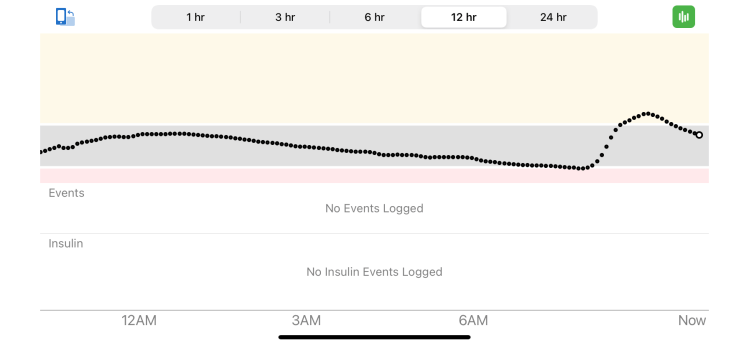
To start out with, let’s go through a quick explanation of overall blood sugar regulation.
Keep it Simple for Me! Explanation: The pancreas is continually monitoring the concentration of glucose in the blood. When it senses that it’s too high, it secretes insulin so that the glucose can enter into the cells to be used for energy. When it senses it’s too low, it secretes another hormone called glucagon which signals the liver to release stored glucose into the blood. This entire process is a continual cycle to maintain blood glucose levels in a normal range.
Nerd Alert! Explanation: The pancreas is continually monitoring the concentration of glucose in the blood. When it senses that it’s too high, it secretes insulin from the beta cells so that the glucose can enter into the cells, and when it senses it’s too low, it secretes glucagon from the alpha cells. Glucagon is another hormone that is considered to be counterregulatory to insulin as it works to raise blood glucose levels while insulin works to lower it. Glucagon is secreted in the pancreas but utilized in the liver. Extra glucose is stored as glycogen in your liver and muscles and glucagon signals the break down of that stored glycogen to glucose (glycogenolysis) to then be released into the blood stream to raise blood glucose levels back to normal. The glucagon process is what keeps blood sugar levels steady when it has been several hours since you have last eaten. This entire process is a continual cycle to maintain blood glucose levels in a normal range.
Now that we know how the blood glucose regulation process works, let’s get into the specifics of low blood sugar which is essentially a failure point in the blood glucose regulation process brought on by managing and having diabetes.
Low Blood Sugar (Hypoglycemia)
For those with type 1 diabetes, low blood sugar is caused by too much insulin. While we do our best to calculate the amount of insulin our body needs, we don’t always get it right where we give ourselves too much or factors such as how long it’s been since our last meal or level of physical activity alter our glucose vs. insulin need. For those with type 2 diabetes, too much insulin contributes to low blood sugar, but so can other diabetes medications. For example, Metformin is a common oral medication taken by those with type 2 and while it works to increase insulin sensitivity, it also decreases the liver’s release of glucose which can contribute to low blood sugar. All people with diabetes, regardless of type, can experience low blood sugar or hypoglycemia. In fact, even people without diabetes can experience low blood sugar in certain situations such as going an extended period of time without eating. However, it is not as urgent of a situation as someone with diabetes because the body suppresses insulin production until blood glucose levels return to normal where as in someone with diabetes, once that insulin is administered, there is no way to slow it down, suppress it, or reduce it.
Glucose is the only source of energy that can be utilized by the brain, central nervous system, and red blood cells and there is no back up energy source available that it can use. This is why low blood sugar is worse off in the short term and needs to be acted upon immediately. As blood sugar drops too low (less than 70 mg/dL) the symptoms include fatigue, shakiness, dizziness, pale skin, sweating, irritability, confusion, hunger, anxiety, tingling or numbness, and blurred vision. These symptoms stem from the deprivation of the brain, nervous system, and red blood cells of glucose as those systems are beginning to shut down without the energy they need to function. This also triggers the body’s “fight or flight” response where the hormone epinephrine is released contributing to a racing heart, sweating, tingling, and anxiety or panic [1]. Severe low blood sugar (less than 55 mg/dL) can cause seizures, loss of consciousness, and ultimately, death, if left untreated. While this all sounds scary (and it can be), there are many ways to be prepared to intervene and treat low blood sugar before it becomes severe.
Before we get into treating low blood sugar, there may have been a question that occurred to you while reading through this…why does low blood sugar even occur as wouldn’t the glucagon process of releasing stored glucose correct for any “extra” insulin?
While those with diabetes do still produce glucagon, there is reason to believe that glucagon function in diabetics is impaired by producing more glucagon than necessary and lacking the appropriate stimulation in times of hypoglycemia [2,3]. I could probably dedicate an entire post just to the topic of glucagon, but I’ll try to keep it short here…
Keep it Simple for Me! Explanation: The beta cells producing insulin and the alpha cells producing glucagon work hand in hand for glucose regulation so making one type useless (the beta cells in terms of diabetes) affects the function of the other type. The result being too much or too little glucagon secretion than what is needed from the alpha cells.
Nerd Alert! Explanation: Glucagon is secreted from the alpha cells which are interspersed among the beta cells producing insulin in the pancreas suggesting a local interaction. This area of the pancreas consists of multiple cell types where the intercellular connection between them all is not completely understood, but the rendering of one type of cell as useless impacts the other cells in making them incapable to respond to their normal stimuli [3]. The alpha cells are also sharing the same blood supply as the beta cells in terms of determining whether to secrete glucagon. This means in a person without diabetes, this blood supply would have freshly secreted insulin included. In a person with diabetes, the insulin is coming from an external source and not the beta cells so the alpha cells are seeing very little insulin in their blood supply (a sign that have not eaten recently) and therefore pumping out more glucagon than necessary. Externally administered insulin is also not “seen” the same way by the alpha cells as if it were produced within the beta cells which can also contribute to impaired glucagon response [2]. Destruction of the beta cells in diabetes is also destroying the sympathetic nerves that innervate those cells where stimulation of those nerves occurs in times of hypoglycemia for the glucagon response so this results in an impaired reaction of glucagon secretion in times of hypoglycemia. This impaired response is also why some individuals with diabetes experience hypoglycemia unawareness because of a blunted hormonal response. Overall, the failure of counterregulation of glucagon in those with advance diabetes is not due to lack of glucagon production but insufficient glucagon secretion [3].
For those with type 2 diabetes, glucagon function is most likely impaired as well but on a different scale then with type 1 diabetes depending on level of beta cell destruction and contributing factors [2].
Treating Low Blood Sugar (Hypoglycemia)
*Disclaimer: Management of low blood sugar should be discussed with your doctor and diabetes care team. The below information is my own personal experience or from a trusted source where noted.
The American Diabetes Association recommends the “15-15 rule” for treating a low blood sugar which is to consume 15 grams of carbohydrates and wait 15 minutes. If still below 70 mg/dL after 15 minutes, then have another serving [1].
I generally follow this rule myself, but may initially treat with more than 15 grams depending on how low I am. If I’m below 60 mg/dL it usually takes more than 15 grams to get me back up to where I want to be. While the recommendation is targeting to be back above 70 mg/dL, I usually don’t feel that I’ve successfully treated until I hit 90 mg/dL. Again, every person who has diabetes may manage their lows a little differently and 15 grams of carbohydrates to a child is going to have a different impact than in an adult so this is something you must discuss with your care team.
Here are a few of my “go to” low snacks:
- Glucose tabs (raspberry is my favorite flavor!) – each tab is 4g so will have 3-4 tabs
- There are many different brands of glucose tabs. I have gotten the Target Up & Up brand ones in the past but have trouble finding them in stores now so now get them from Walgreens. They have a quite an assortment of flavors and also sell “to go” or travel size tubes that hold 10 tabs. I have a couple of these that I stash in my purse, car, gym bag, work bag, and then refill from the bigger container when they get empty.
- Juicy Juice 4oz juice box – this is exactly 15g of carbohydrates!
- Applesauce/fruit pouches – these are usually right around 15g of carbohydrates
- Fruit Snacks – one package of fruit snacks is usually around 15g of carbohydrates
- Walgreens Glucose Gummies – these are a recent find that are so tasty and sometimes pop a few as a dessert after dinner but 3 gummies is 9g so I use these more for when I just need a little boost in the blood sugar if may be I’m not low yet but can see my blood sugar is dropping and approaching that low threshold
- Fresh fruit – the simple sugars in fruit raise blood sugar quickly and then can also get some nutritional value in the process.
- I personally don’t use candy to treat lows as it’s not something I keep on hand unless happen to have some from special occasions like Halloween, but I know that a lot of people have a premeasured amount of jellybeans, skittles, swedish fish, etc. they use to treat lows as well.
Those of us with diabetes don’t plan on low blood sugar and it can be unpredictable so that is why it is important to always be prepared by having designated and portioned out snacks that are easily accessible no matter where you are.
For those of you without diabetes reading this…first off, thank you for the patience and understanding when your loved one or friend is a little cranky from low blood sugar. Second, know that someone experiencing low blood sugar doesn’t have their brain firing on all cylinders and may need your assistance in getting a snack or helping them with something until their blood sugar returns to normal. Third, I hope this gave you a small glimpse into the mental effort, life interruption, and amount of preparation and planning ahead that diabetes takes. I can’t just spontaneously leave the house without having to think about how long I’ll be gone, when was the last time I ate and when will be the next time I eat, how much physical activity will be involved, do I have a low snack on me, do I have a way to call for help if I need it, so on and so forth.
For those of you with diabetes reading this….if you haven’t already, take the time to pick out and portion your designated low snacks and have a plan that you always have a low snack accessible. For me, this is having glucose tabs with me where ever I go. I hope you also have a better understanding of why your blood sugar gets low and a new found understanding of how having T1D has not only affected insulin production, but glucagon production as well. Have some grace with yourself when dealing with those highs and lows knowing there is more at play in your body than just the failure in insulin production. Diabetes is a complicated disease!
Thanks for reading part 1 of low vs. high blood sugar and stay tuned for part 2 dedicated to high blood sugar! As always, feel free to add your questions/comments and you can also connect with me on Instagram.
References
- American Diabetes Association. (n.d.). Hypoglycemia (low blood sugar). American Diabetes Association. https://www.diabetes.org/diabetes/medication-management/blood-glucose-testing-and-control/hypoglycemia
- Taborsky Jr, G.J., (2010 November). The physiology of glucagon. Journal of Diabetes Science and Technology, 4(6), 1338-1344. http://www.ncbi.nlm.nih.gov/pubmed/21129328
- Yosten, G.L.C., (2018 February). Alpha cell dysfunction in type 1 diabetes. Peptides, 100, 54-60. https://doi.org/10.1016/j.peptides.2017.12.001


 With Diabetes in Mind
Leave a comment