

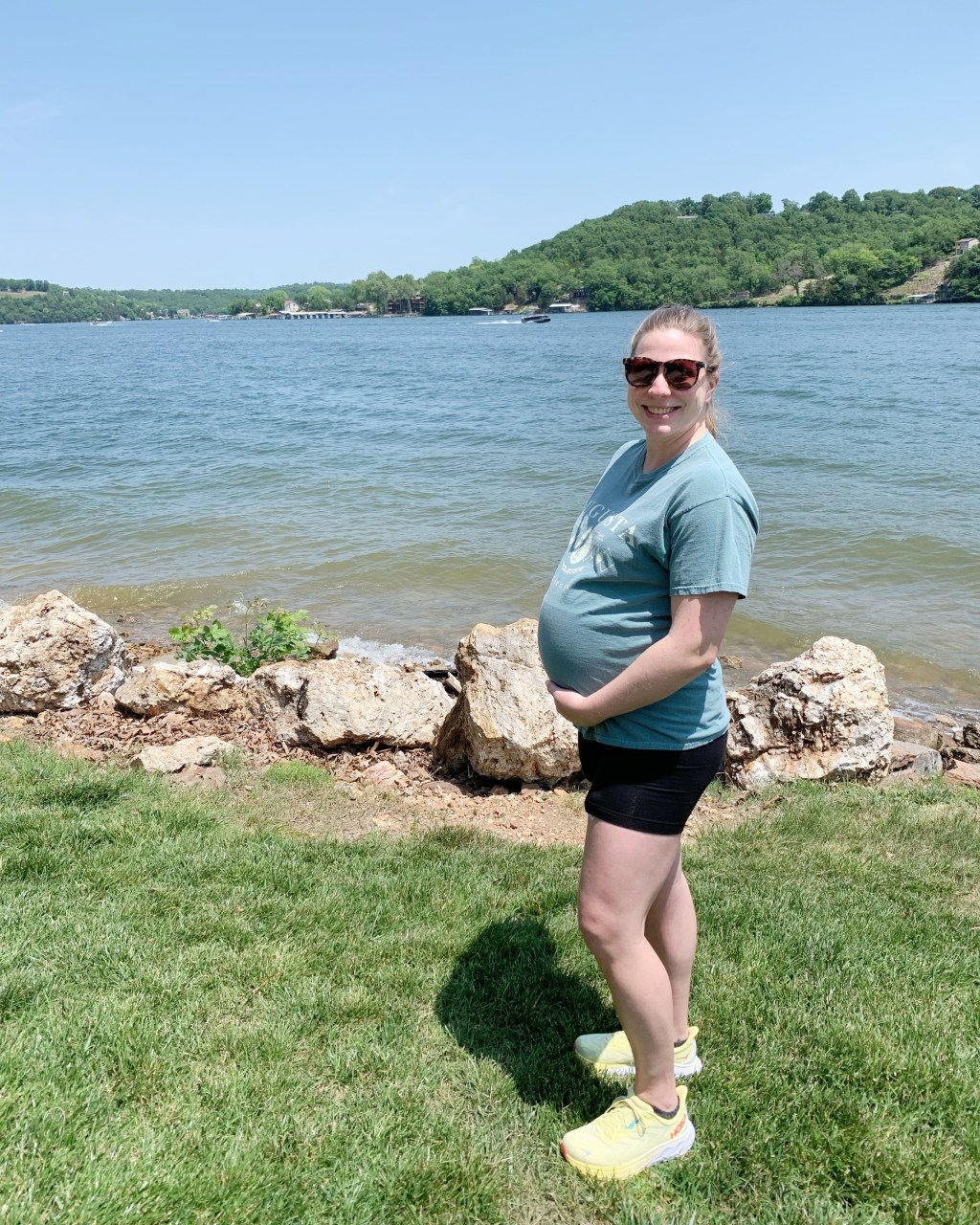
I’m happy to share that my husband and I are expecting our first child in July 2023! As I sit here and write this I’m already half way through my second trimester (time flies!), but wanted to reflect back on the first trimester and share what I’ve experienced, what helped me prepare for pregnancy, and some things I wasn’t expecting.
This post shares my thoughts and a review of my first trimester of pregnancy with type 1 diabetes. This is my own personal experience except where a source is cited. If you are pregnant or planning to become pregnant, please only take diabetes management guidance from your personal diabetes healthcare team, but feel free to let this help inform what questions you may ask your care team.
Preconception Preparation
I knew pregnancy while having type 1 diabetes was going to be challenging, and my endocrinologist was sure to tell me that even if we were just considering starting to think about having a baby, we needed to discuss what blood sugar goals and control would need to look like. My goal for at the time of conception was to have a Hemoglobin A1C of as close to 6.5% as possible, and to start targeting my blood sugar goals to be less than 95 mg/dL upon waking up in the morning, to be at 140 mg/dL or less 1 hour after a meal, and to be at 120 mg/dL or less 2 hours after a meal. These target ranges also align with the American Diabetes Association’s Standards of Care for managing diabetes during pregnancy [1]. A few months prior to trying to conceive, I started working towards these goals, but it took us about a year to actually conceive so I was in a pregnancy mindset for about 18 months before it actually happened, and I think that was the best thing in terms of pregnancy not being quite as stressful as I was anticipating (so far at least!) because the more strict control needed for pregnancy was already my mindset and behavior in managing my diabetes.
The 2 key behaviors I changed to help me work towards these blood sugar goals were being more diligent in measuring the food I was eating for more accurate carbohydrate counting and more consistently pre-bolusing 15-20 minutes before eating. These behaviors also helped provide visibility to if my carb to insulin ratio and/or basal rates needed to be tweaked to be more optimal for targeted pregnancy ranges.
I also needed to change my mindset in what I viewed as a high and low blood sugar. One of the first things I did was lower my high alert Dexcom threshold to 140 (previously 180) and my low alert threshold to 70 (previously 80) to help reframe my concept of my blood sugar being high as above 140 to align with the post prandial (meal) target. This change was motivated by content posted by the @thediabetictherapist Instagram account that I follow which is run by a fellow person with type 1 diabetes who is a licensed therapist and diabetes coach. The other mindset shift inspired by the same individual’s content is that perfection does not exist and you must accept that there will be high/low/unexplained blood sugars. Each blood sugar needs to be responded to without emotion because it is what it is so correct it, move on, and learn from it if you can. This has been an important reminder for myself as I’ve gone through pregnancy as when my blood sugar goes higher than I want, I try not to dwell on what impact it could have on my baby, but correct and move on. In the grand scheme of things, a higher blood sugar for a few hours here and there is small when looking at the big picture. I will say the Clarity Dexcom reports have contributed to my sanity with blood sugars during pregnancy as when I feel like I’m not doing the best with control, I look at my averages over time, and it’s better than I think so it’s important to not be too hard on yourself!
If you are interested in learning more helpful tips for diabetes management, give @thediabetictherapist a follow on Instagram or visit their website at https://www.greaterthancc.com/ and sign up to receive the newsletter or take a coaching course!
For a research based plug on the importance of blood sugar control in preparing for pregnancy and not just during pregnancy, observational studies show an increased risk of diabetic embryopathy, especially anencephaly, microcephaly, congenital heart disease, renal anomalies, and caudal regression, directly proportional to elevations in A1C during the first 10 weeks of pregnancy [1]. The quantity and consistency of data are convincing and support the recommendation to optimize glycemia (presence of glucose in the blood) prior to conception, given that organogenesis (development of organs) occurs primarily at 5–8 weeks of gestation, with an A1C <6.5%, which is associated with the lowest risk of congenital anomalies, preeclampsia, and preterm birth. A systematic review and meta-analysis of observational studies of preconception care for pregnant individuals with preexisting diabetes demonstrated lower A1C and reduced risk of birth defects, preterm delivery, perinatal mortality, small-for-gestational-age births, and neonatal intensive care unit admission [1]. Long story short here is that a key developmental stage affecting fetal outcomes occurs in the very early weeks of pregnancy before you may even know you are pregnant so this is why it’s important to have blood sugars under control ahead of the time of conception.
The last thing I’ll mention in terms of preparing for pregnancy is surrounding the Omnipod 5. I upgraded my Omnipod to the Omnipod 5 in July last year and was using the auto mode for basal insulin delivery until November when I found out I was pregnant where I then switched to manual mode basal rates. My endocrinologist shared with me that I would not be using auto mode during pregnancy as my pregnancy target ranges would be lower than the lowest possible auto mode target range. The Omnipod 5 auto mode kept me around the 140-150 range I when needed to be below 120 for pregnancy. I believe this is the case for most if not all insulin pumps that have an auto mode so if you are on an insulin pump and using any part of the automated insulin delivery, prepare to switch back to manually programmed basal rates during pregnancy.
First Trimester Symptoms

Alright, so let’s dive into my actual first trimester experience. Separate from the diabetes aspect, I felt most of the “normal” first trimester pregnancy symptoms. I was so tired and felt fatigued every day. Weeks 6-11 were the worst with this. It actually felt similar to the “low blood sugar hangover” where you feel zapped of energy after recovering from a low blood sugar. It was like that every day. I never had morning sickness and never vomited, but I did have nausea most evenings where I wouldn’t feel like eating dinner, and overall I had a lack of appetite during my entire first trimester. This made pre-blousing difficult as I would plan to eat a certain meal and then I’d start eating and it wouldn’t taste good or I’d feel nauseous and not want to finish it.
Something I was aware of but was still surprising was the number of low blood sugars I experienced during my first trimester. I had heard and read that insulin needs may actually be reduced during the first trimester, but for me, this was much more drastic than I was expecting. This started at week 6 for me. My basal rates were about 30% less than before pregnancy and I was getting low multiple times per day. I did need to reframe my concept of low blood sugar in the morning as the goal is to wake up between 60-95 mg/dL. I was waking up closer to the 60 end which did not feel great even though it is an “acceptable” blood sugar so not only did I have first trimester pregnancy fatigue but the low blood sugar roller coaster fatigue on top of that. I now try to target more of the upper range in the 80s to low 90s so I’m not waking up feeling awful. Overall, experiencing these low blood sugars did make it easier to maintain a lower blood sugar range which was good in that aspect, but I was so focused on how pregnancy would make me more insulin resistant and increase my insulin needs that the low blood sugar phase did take me by surprise a bit.
The other thing that changed during my first trimester was I went from exercising 4-5 days a week to I think I exercised 4-5 times total during my first trimesters. My workout time was replaced by nap time with how tired I was. I use the increased insulin sensitivity that comes with regular exercise as part of my diabetes management so was no longer experiencing that effect. However, with all the low blood sugars I was experiencing and reduced insulin needs due to pregnancy, this counteracted any insulin sensitivity effects of not exercising. I ended up losing weight throughout my first trimester which I attribute mostly to lost muscle mass since I wasn’t regularly lifting weights, but it was also probably due to not eating as much since I didn’t have much of an appetite.
First Trimester Care
I feel very thankful that my endocrinologist has continued to see me while pregnant. Not all endocrinologists treat diabetic pregnancies. If that was the case with mine, I’d be seeing a high risk doctor in addition to my endocrinologist. My endocrinologist appointments have increased from being every 3-6 months to being once a month and once a week they review my Dexcom numbers for any changes to my insulin or pump settings. The once a month appointments will continue throughout my pregnancy. I was 7 weeks along when I went in for my first pregnancy endocrinology appointment. My Hemoglobin A1C at that appointment was 6.5%. My Dexcom Clarity report showed an estimated A1C between 6.2% and 6.4% throughout my first trimester.
A year ago I tested positive for the TPO antibodies which means I have Hashimoto’s disease and eventually will have hypothyroidism. I’ve had normal thyroid function so far but it is being monitored more closely throughout pregnancy for any changes. My endocrinologist also advised me that we would not be doing my normal yearly blood work while pregnant as pregnancy can throw numbers off such as having protein in the urine so she advised waiting until after pregnancy to continue my routine lab work. However, she did recommend I still have my eye exam as she said pregnancy can highlight changes in the eyes.
My prenatal/OBGYN care was typical for any pregnancy during the first trimester. I went for my first appointment and ultrasound at 8 weeks and had the routine first trimester blood work done. I went back for my next appointment at 12 weeks and have so far continued the once a month cadence for my OB appointments. We were offered the various genetic testing that can be done in any pregnancy. We chose to forego the genetic testing as we do not want to find out the gender and also did not want any added stress or worry about the baby’s condition as making it through pregnancy with diabetes will be challenging enough. As a side note, the baby’s chances of having diabetes cannot be determined through genetic testing.
First Trimester Feelings
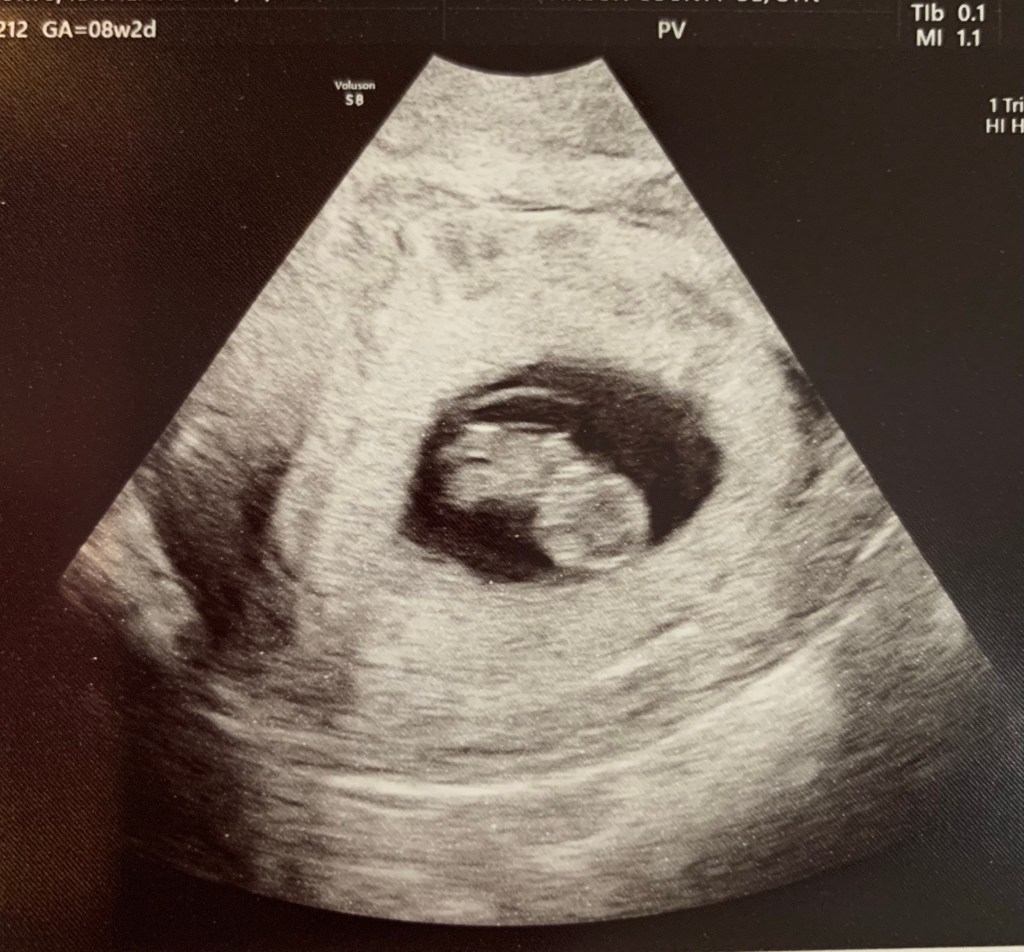
Throughout my first trimester (and still currently to an extent), I had feelings of strangeness or weirdness. I’m not sure the best way to describe it. I think I thought I’d immediately feel a connection to this child inside me, but it’s an interesting shift to planning to be pregnant and then knowing I am pregnant even though I couldn’t feel it or see it (except by ultrasound). While it’s all very exciting, I think it has just taken some time to make the mind body connection that I’m actually pregnant.
I’ve also experienced feelings of anxiety and worry in hoping everything is ok with the baby and that I’m providing a good environment for them to grow in. I’m sure all expectant mothers feel this worry to some extent, but I think this feeling has been escalated because of dealing with diabetes in the process and the effects that can have. It has been helpful to remind myself of Psalm 139:13-14, “For you created my inmost being, you knit me together in my mother’s womb. I praise you for I am fearfully and wonderfully made, your works are wonderful, I know that full well.” While I’m doing the best I can, my baby is being knit together by a greater love, for a greater purpose, and covered by more comfort and protection than I could ever imagine or provide on my own.
Thanks for reading! Please feel free to reach out through the comments, contact, or social media as I’d love to connect!
References:
- Nuha A. ElSayed, Grazia Aleppo, Vanita R. Aroda, Raveendhara R. Bannuru, Florence M. Brown, Dennis Bruemmer, Billy S. Collins, Marisa E. Hilliard, Diana Isaacs, Eric L. Johnson, Scott Kahan, Kamlesh Khunti, Jose Leon, Sarah K. Lyons, Mary Lou Perry, Priya Prahalad, Richard E. Pratley, Jane Jeffrie Seley, Robert C. Stanton, Robert A. Gabbay; on behalf of the American Diabetes Association, 15. Management of Diabetes in Pregnancy: Standards of Care in Diabetes—2023. Diabetes Care 1 January 2023; 46 (Supplement_1): S254–S266. https://doi.org/10.2337/dc23-S015; https://diabetesjournals.org/care/article/46/Supplement_1/S254/148052/15-Management-of-Diabetes-in-Pregnancy-Standards






Leave a Reply