
Isn’t it ironic that National Diabetes Awareness Month falls on the month of the biggest election day of the year when people and policies voted on have the potential to shape what healthcare looks like for those with diabetes? Isn’t it ironic that National Diabetes Awareness Month falls on the month of open benefits enrollment when the millions of people with diabetes in the United States are trying to make the best health insurance plan choices for themselves to feel the least robbed by the Unites States healthcare system? In all seriousness National Diabetes Awareness Month (NDAM) falls in November due to World Diabetes Day being on November 14 in honor of Sir Frederick Banting’s birthday who was a co-discoverer of insulin (check out my world diabetes day post from last year to learn more about the discovery of insulin). However, November does bring about some pivotal events that can greatly affect those living with diabetes.
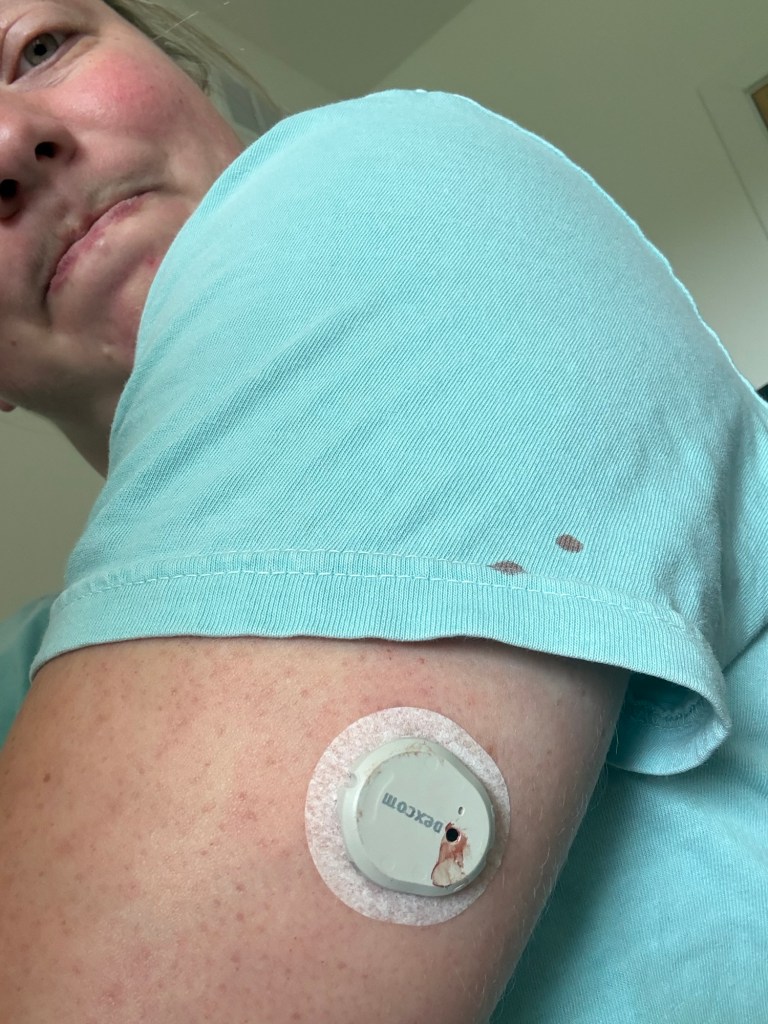
While NDAM is meant to bring awareness to what diabetes is, the definition of what diabetes is does not equate to what it is truly like to live with and manage diabetes on a day to day basis. Awareness does not mean much if there is no education. You can be aware that eating healthy food is good for you, but if you have no education on how to eat healthier, the awareness of that fact means nothing so I hope this post can serve as some education in what life with diabetes is really like.
If you search the internet for “diabetes,” you will receive results from a number of reputable sources defining diabetes the same way: a condition caused when the body stops producing insulin, isn’t producing enough insulin, or is not responding to insulin as it should. This leads to a build up of glucose in the blood stream which left untreated will cause complications over time of heart disease, kidney disease, eye issues, and/or nerve damage. Here are some examples:
From the Cleveland Clinic: https://my.clevelandclinic.org/health/diseases/7104-diabetes
From the U.S. Centers for Disease Control and Prevention: https://www.cdc.gov/diabetes/about/index.html
From the World Health Organization: https://www.who.int/news-room/fact-sheets/detail/diabetes
While management of diabetes with medication, diet, exercise, and lifestyle is mentioned, I have not found a description that describes what it is truly like to live with diabetes day in and day out.
Life with diabetes is first and foremost dictated by what level of access to healthcare you have, what health insurance plan you may or may not have, and how much money you have to be able to spend on healthcare and diabetes supplies. You could have all the knowledge you could ever need to be able to manage diabetes but it is all for naught if you can’t afford insulin or the insulin you use is not covered in your insurance plan’s formulary, you don’t have prior authorization to get your insulin pump supplies because your insurance company needs validation every year from your doctor that you still have an incurable disease, or you miss the specified time interval to see a doctor that is required for Medicare coverage because it’s a 3 month wait to get an appointment.
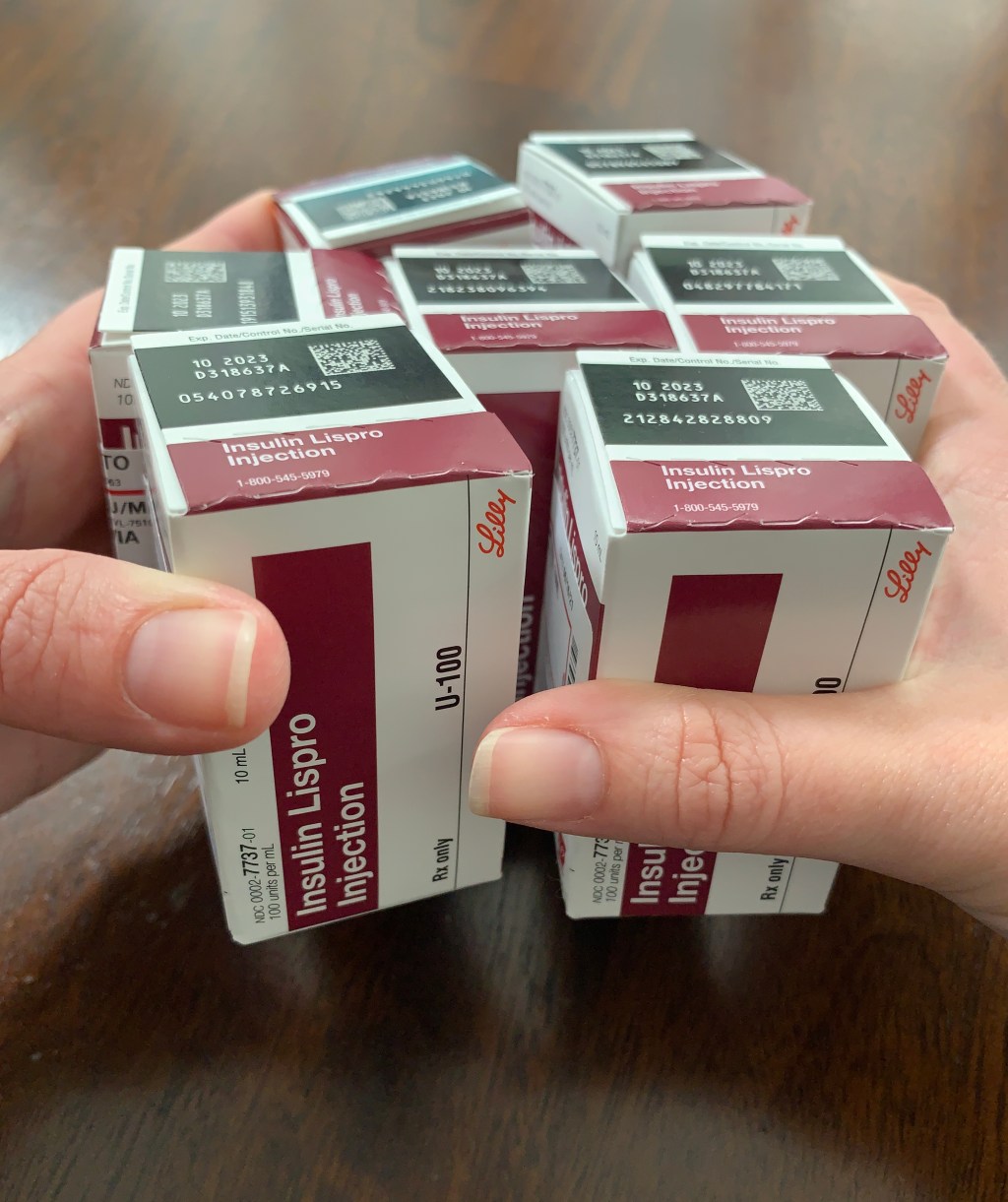
A subset to the above is life with diabetes is haggling with insurance companies since they apparently get to dictate what is best for your diabetes care. It is work having to look at what is considered on formulary for what brands of medications (insulin included in this) are considered “covered.” There are different prescription needs if your pump supplies are covered by DME (durable medical equipment) vs. pharmacy benefits. Looking to see if your doctors are considered in or out of network and having to change doctors because yours is suddenly out of network. The most infuriating is if you need a refill of something before the timeframe is up where insurance will cover the refill then you are SOL or will have to pay out of pocket. I just recently had a reminder come through that my insulin could be refilled and when I tried to refill it, insurance wouldn’t cover the refill until after another week. I’m sure anyone living with some type of health condition can sympathize with these insurance headaches.
Life with diabetes is more so a mental burden than a physical one. While the physical aspects of needles, finger pricks, taking medications, pump site changes, effects of high and low blood sugars, etc. do take their toll, it’s the time, effort, and decisions behind all those things that lead to diabetes burnout. Diabetes never stops and requires 24/7 attention. Technology these days can make this burden lighter, but you still have to live with diabetes in mind (hence where the name for this blog came from) which minimizes the ability to be spontaneous and increases the need for planning and preparation for most day to day activities.
Life with diabetes is constant consideration and analysis of how non-food related things will affect your blood sugar like exercise or not exercising, dehydration, sleep, hormone levels, sickness, stress levels, climate changes, time changes, and even time of day. Hence the mental burden mentioned above. There are so many factors that can affect your metabolism and hormone levels and that has a direct impact on how your body uses insulin and how much.
Life with diabetes is attempting to become a master of timing, specifically pairing insulin with food. I think it’s fairly common knowledge that people with diabetes take insulin for the food they are eating, and there is math involved for calculating insulin doses, but it’s lesser known that the timing of an insulin dose is just as important as how much. Fast acting insulin administered exogenously takes roughly 15-20 minutes to start working so ideally your insulin is administered in that amount of time before your food hits your blood stream. However, when your food hits your blood stream is determined by what you are eating. Is it simple carbohydrates that will hit your blood stream quickly or is it a higher fat higher protein meal that will digest slower than carbs alone? This timing is another piece that has to be considered along with dosing an amount of insulin.
There are many other aspects to life with diabetes that I haven’t included here, but these are some of the heavy hitters that come to mind. Each person living with diabetes has different experiences and approaches to managing their diabetes. I wish I had a solution to our healthcare system and insurance woes, but to ease the burdens of the other aspects of life with diabetes I’ve learned to build systems and know my patterns. For example, I am always more insulin resistant in the morning compared to later in the day so I need more insulin earlier in the day compared to later in the day. Being in hot temperatures makes my blood sugar rise so I need more insulin if I’m outside on a hot summer day. I am more insulin resistant on days I don’t sleep well the night before. I can always guarantee vacuuming will make my blood sugar drop (hack to lower a high blood sugar). When I eat something new or at a different time of day, I may not nail my bolus that first time, but I can learn from the result to adjust for the next. Diabetes is a lot of live and learn and sometimes it’s even worth just living and not taking diabetes too seriously (within reason). I hope all those with diabetes can learn to make diabetes fit their life and not make their life fit diabetes, and I hope those without diabetes can see a glimpse of what the day to day can look like in living with this chronic disease.







Leave a Reply